When most people picture RV life in America, they see the fun part: families around a campfire, snowbirds chasing 70-degree weather, or YouTubers cruising through national parks. What they don’t see is the industry that quietly makes all of that possible—the RV transport world.
Behind every new fifth wheel on a dealer lot and every motorhome delivered halfway across the country, there’s a driver, a dispatch team, and a whole system working together to move these rolling homes safely and on time.
Let’s pull back the curtain on the RV transport industry in America.
A Big Country on the Move
The United States is one of the largest RV markets in the world. Recent data suggests that around 8–11 million U.S. households own an RV, and millions more are seriously considering buying one in the next few years. ConsumerAffairs+1
Even after the post-pandemic cooldown in sales, the RV Industry Association reports hundreds of thousands of RVs shipped from factories each year, with over 333,000 units shipped in 2024 alone. RVIA+1
Every one of those units has to get from Point A to Point B: from the manufacturer to the dealer, from the dealer to the customer, or from one campground or storage yard to another. That’s where RV transport companies come in.
What is RV Transport, Exactly?
“RV transport” is a broad term that covers several different services:
Tow-Away Transport
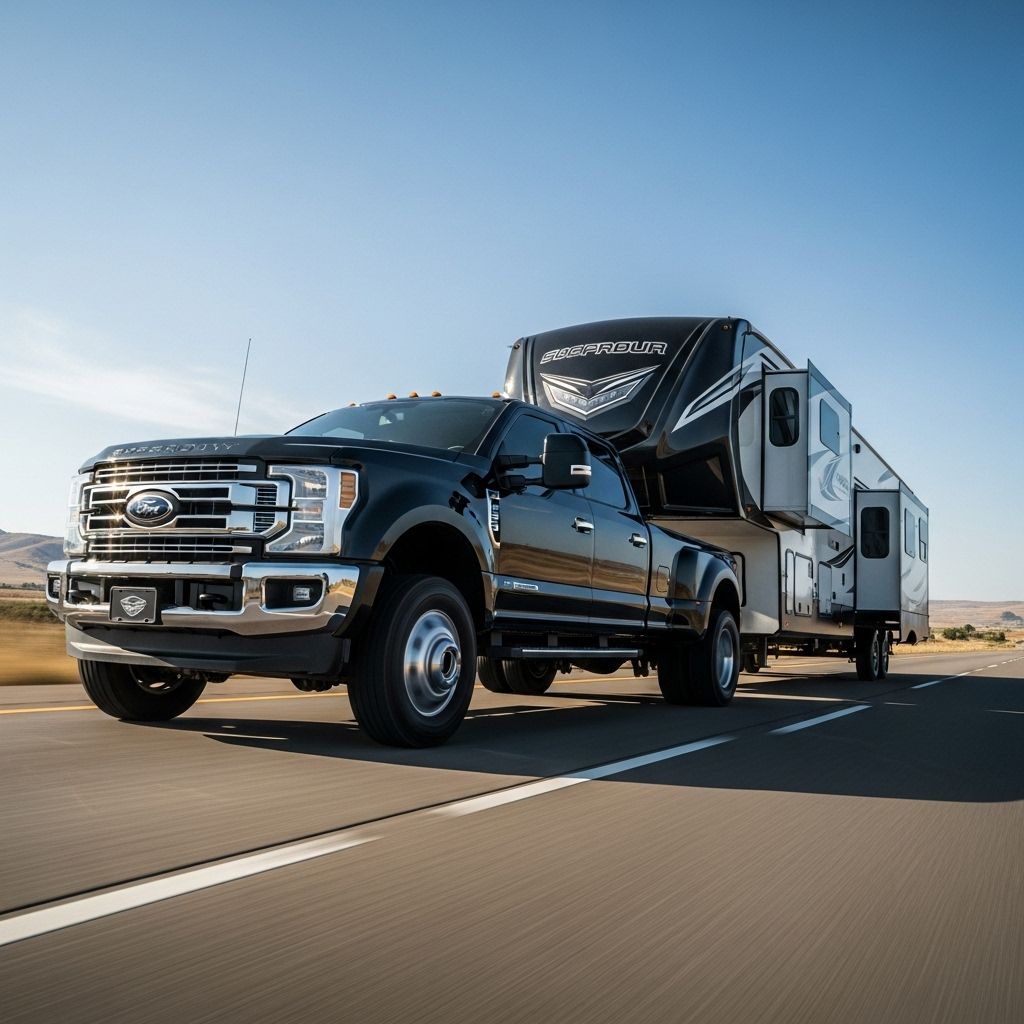
A truck (usually a heavy-duty pickup) hooks up to a travel trailer or fifth wheel and tows it to its destination. This is what moves most towable RVs around the country.Drive-Away Transport
Rather than towing, the driver actually drives the unit—common for motorhomes, class C units, and commercial RV-style vehicles.Hauling on Flatbeds or Specialized Trailers
Some RVs, especially multiple units at once or park models, are loaded onto step decks, lowboys, or specialized trailers.Relocation for Owners
Snowbirds heading south, families relocating across the country, or new RV buyers who don’t yet feel comfortable towing or driving their rig will often hire a transport company to move the RV for them.Dealer & Manufacturer Moves
RVs are constantly being shuffled between factories, dealer networks, auctions, and shows. Many transport companies have ongoing contracts just to manage this flow.
In short: if an RV needs to go somewhere and the owner or dealer doesn’t want to move it themselves, the transport industry steps in.
A Day in the Life of an RV Transport Driver
To outsiders, it might look like “just driving,” but professional RV transport is a lot more than hopping in the truck and hitting the interstate.
A typical job might include:
Pre-Trip Inspection
Checking tires, lights, brakes, safety chains, hitch, breakaway cable, and all hookups. A good driver walks around the rig more than once before moving an inch.Route Planning
RVs aren’t small. Drivers have to consider low clearances, weight limits, weather, construction zones, and safe fuel stops. One wrong turn can mean a low bridge, a tight turn, or a dead end with no room to turn around.On-Road Safety
Extra stopping distance, wide turns, crosswinds, and heavy traffic all come into play. A loaded fifth wheel or toy hauler can be extremely heavy—this is not like towing a small utility trailer.Customer Communication
Many drivers act as the face of the company. They coordinate pickup and drop-off times, provide updates, take photos, and walk customers through basic RV checks at delivery.Post-Trip Inspection
Another walk-around at delivery ensures everything is in the same or better condition than when it was picked up.
The best drivers are part truck driver, part problem-solver, part customer service rep.
Why RV Transport Matters More Than Most People Realize
The RV transport industry touches more parts of the economy than many realize:
Dealers and Manufacturers Depend on It
Without reliable transport, dealers don’t get inventory and manufacturers can’t keep production lines moving.Consumers Expect “Doorstep” Service
Today’s buyers will order RVs from hundreds or thousands of miles away. Transport makes that possible—whether straight to the customer’s driveway or to their local dealer.Tourism & Outdoor Recreation
RVs support national parks, campgrounds, small towns, and local businesses across America. Getting more RVs into the hands of travelers means more dollars going into these communities. Camper ChampDisaster Relief & Temporary Housing
In times of natural disaster, RVs and travel trailers often serve as temporary housing. Moving them quickly and safely is a big part of response and recovery.
The bottom line: if RVs are the symbol of American freedom and adventure, RV transport is the unseen engine that keeps that dream rolling.
Challenges Facing the RV Transport Industry
It’s not all scenic highways and sunset photos. The industry has its share of challenges:
Fluctuating Fuel Costs
Diesel and gas prices can swing hard. That directly affects profitability and pricing for both companies and independent contractors.Seasonal Demand
Spring and early summer can be extremely busy; other times of year slow down. Transport companies have to manage staffing, equipment, and cash flow around those cycles.Regulation & Compliance
Drivers and carriers must comply with federal and state regulations: CDL requirements (depending on weight and configuration), logbooks and Hours of Service rules, insurance minimums, permits, and safety inspections.Driver Recruitment & Retention
Not everyone is cut out for life on the road. Companies that prioritize safety, communication, and fair pay have a big advantage in keeping experienced drivers.Customer Education
Many first-time RV buyers don’t understand what’s involved in moving a 40-foot fifth wheel across the country. Explaining timelines, route realities, and prep requirements is a constant job.
Safety: The Heart of Professional RV Transport
One of the biggest differences between a professional RV transport company and a casual “friend with a truck” is the commitment to safety and standards.
Professional RV transporters focus on:
Properly Rated Trucks & Hitches
Using trucks, hitches, and brake controllers rated well above what the load requires.Routine Maintenance
Regular inspections and service for both tow vehicles and trailers.Strict No-Tolerance Policies
Zero tolerance for drugs, alcohol, or reckless driving.Training & Checklists
Standardized procedures for inspections, loading, and unloading.Insurance Protection
Coverages designed specifically for commercial RV transport, not just personal auto insurance.
When you’re moving someone’s rolling home—or a dealer’s million-dollar inventory—cutting corners simply isn’t an option.
How RV Owners Can Choose the Right Transport Company
If you’re an RV owner or dealer looking to move a unit, here are a few things to look for in a transport partner:
Licensing & Insurance
Ask for DOT/MC numbers and proof of insurance. A reputable company will be happy to provide them.Experience With Your Type of RV
Transporting a small travel trailer is different from a triple-axle toy hauler or a big Class A motorhome.Clear, Written Quotes
Pricing should be transparent: distance, route, any special fees, and what’s included (photos, inspections, etc.).Communication
You should never feel in the dark. Look for companies that provide updates and are easy to reach.Reviews & Reputation
Check online reviews, social media, or ask for references from dealers and repeat customers.
The right partner won’t just move your RV—they’ll protect your time, your property, and your peace of mind.
The Road Ahead for RV Transport in America
Like the rest of the RV industry, transport has seen ups and downs in the last few years. Sales and registrations are adjusting after the post-pandemic surge, but long-term RV ownership is still trending upward. ConsumerAffairs+2RVBusiness - Breaking RV Industry News+2
More people are discovering RV life: young families, remote workers, retirees, and full-time travelers. As they do, the need for reliable RV transport is only going to grow.
From factory lots in Indiana to campgrounds in Florida, from desert boondocking spots to mountain resorts, RV transport companies keep America’s rolling homes moving—quietly, professionally, and often without any recognition.
So the next time you see a truck hauling a shiny new fifth wheel down the interstate, remember: that driver might be delivering someone’s dream.